
-
Service: 855-564-2389
-
Parts: 855-564-2360
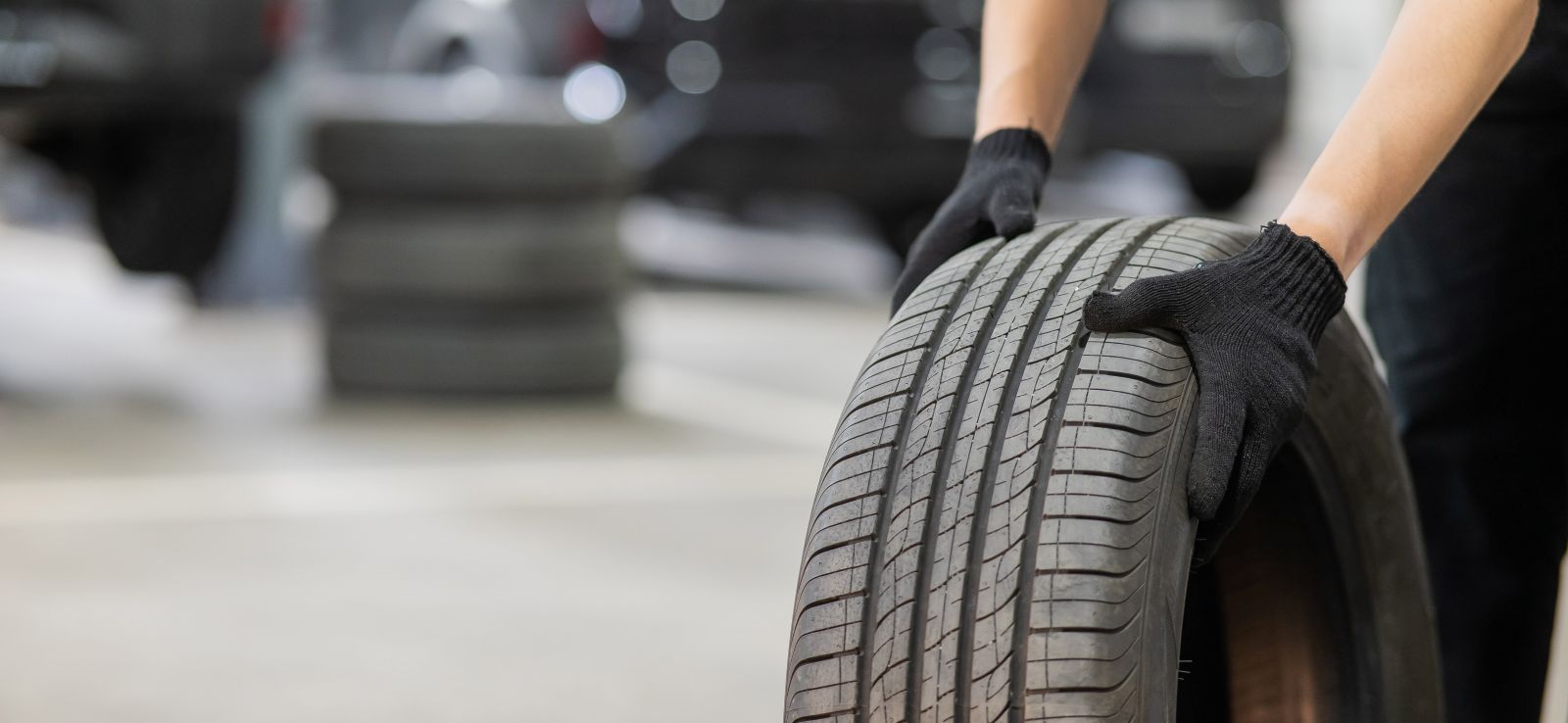
Tire problems in Naples tend to show up in a recognizable pattern. The pressure light returns a few days after you filled the tires. The car feels fine around town but the steering wheel starts to shake once you reach highway speed. Road noise that was not there last week starts showing up on certain stretches.
Naples driving affects tires differently than steady highway miles would. Short back-to-back trips, stop-and-go on US-41, hot pavement, and afternoon rain that shifts traction and road noise within the same drive all take a toll. When something feels off, the speed range and timing of the symptom is what narrows down the cause fastest.
A tire issue can feel invisible at 35 mph and obvious at 65 mph, and that speed split is often the most useful detail you can bring to the inspection.
A vibration that only shows up at highway speed is a different problem than one you feel the moment you pull out of a parking lot. The same goes for noise. A hum that rises steadily with speed is different from a click you only hear while turning into a tight spot. The tire pressure light follows its own pattern too. A light that returns after two or three days points somewhere different than one that comes on every morning after a cool night.
When you schedule Volkswagen tire service, three pieces of information put the inspection on the right track: the speed range where it happens, when it happens, and where you feel it in the car.
A Volkswagen tire service starts by inspecting overall tire condition. Tread depth is part of it, but tread shape matters just as much. A tire can look fine from the outside edge and still be wearing fast on the inside edge. Sidewalls get checked for cuts, bubbles, or impact damage. Pressure gets verified, and if the tire pressure light has been coming on, the visit shifts toward finding where air is leaving the tire.
What gets adjusted depends on the symptom. A vibration at speed leads to balance. A pull or an off-center steering wheel brings wheel alignment into the conversation. Recurring pressure loss leads toward leak detection and repair decisions rather than rotation as a first move.
If you are feeling something new, the goal is to identify why the car feels different and correct it, not rotate the tires and hope the symptom goes away.
If your Volkswagen tires are riding rough, the tire pressure light keeps coming back, or you feel a shake at speed, schedule service and bring the speed range and timing you’ve noticed.
Steering wheel shake that appears in a specific speed range and smooths out above and below it is one of the more telling tire symptoms.
If the shake is mostly between 55 and 70 mph and settles outside that window, balance is the first thing to check. If the shake is more in the seat than in the steering wheel, the rear tires may be involved rather than the fronts. If the vibration changes when you brake, mention that when you book, because it shifts where the inspection starts.
There is also a difference between a steady buzz and a rhythmic thump. A thump that speeds up as the car speeds up can point to a tire issue that balancing alone will not fix. A steady buzz in a narrow speed range is a different feel. If you can say the shake starts around 60 and you feel it in the wheel, that is enough to get the inspection pointed in the right direction.
“Pull” is the car drifting left or right while you are trying to drive straight. Wheel alignment can cause that, and so can tires, which is why the pattern matters more than a quick guess.
If the steering wheel sits off-center while the car is moving straight, wheel alignment is a prime suspect. If the car consistently drifts to one side on flat roads, alignment stays on the list. A pull that is new and repeatable on roads you know well still belongs in the shop, even if it seems minor.
If you have a pull and uneven tire wear, treat it as one problem. Pull and wear are connected more often than drivers expect, and addressing only the tire without looking at alignment means the new tire can start wearing the same way.
When the tire pressure light returns a few days after you filled the tires, temperature and slow leaks are the two most common causes, and Naples creates conditions for both.
Temperature swings between an early morning low and a mid-afternoon high in Collier County can be enough to trigger the light if one tire is already running borderline. That catches a lot of drivers off guard during winter months, when overnight temperatures drop more than people expect for Southwest Florida.
A slow leak follows a different pattern. A small puncture, a valve stem issue, or a bead seal problem can drop pressure gradually over several days. You fill it, it looks fine, and then the light is back a few days later.
If the light always comes back on the same tire, that is a clear sign. If the light comes back and pressures look normal when you check, that is also useful information to bring in. Either way, if you have topped off the same tire more than once, it is worth having the system inspected rather than filling it again and waiting to see what happens.
A Volkswagen tire rotation helps when tires are wearing evenly and the goal is to keep them that way. Rotating the set spreads wear across all four tires so you are not replacing one pair early while the rest still has life.
Rotation stops being the answer when wear is already uneven in a way that points to an underlying cause. If one tire is wearing significantly faster than the others, or the inside edge is wearing while the outside looks fine, rotating without addressing the reason moves the wear pattern around rather than correcting it.
Wear patterns tell you more than a quick visual check. Cupping shows up as a low hum that gets louder gradually. Feathering creates a rougher feel on certain road surfaces. Inside-edge wear can go unnoticed until someone looks at the tire from the right angle. When a tire rotation comes up, pairing it with a wear-pattern check is what keeps you from rotating a problem from one corner of the car to another.
If you’re planning to come in for Volkswagen tire service, check current offers first, then book a time that fits your day.
Some tire problems reach a point where repair is no longer the practical answer. If the tire cannot hold pressure reliably, if the damage is in a location that cannot be patched, or if the tire’s condition is causing a ride problem that service cannot correct, a Volkswagen tire replacement is the cleaner move.
If the same tire keeps losing pressure after a repair, it is becoming a repeat problem. If the sidewall has a bubble, a bulge, or severe cracking, that tire needs to be replaced, not patched. Sidewall damage does not have a reliable repair option.
Uneven wear can also bring Volkswagen tire replacement forward. If a tire has worn into a shape that causes vibration or noise, balancing may not bring it back to smooth. If the wear is advanced and the underlying cause, such as an alignment issue, is still present, the new tire will start wearing the same way unless both are addressed together.
When you schedule, one clear symptom and the conditions when it happens is enough to start: vibration at 65, pressure light returning after three days, pulling right on flat roads, or a thumping noise that changes with speed.
If you are coming in from Marco Island, Bonita Springs, or Estero, booking ahead keeps the visit on your schedule rather than the shop’s.
Schedule service when you’re ready and the team can inspect your Volkswagen tires, address the tire pressure light, and correct the driving symptom you’re noticing.